EN

Translate:

  • Home
  • Waste-to-Value
  • Partners & Capital
  • Insights & Stewardship
  • Media & Intelligence
  • Who We Are
  • Gallery
  • Help Shape the Future
  • Regional Waste PPP
  • Multi-Feedstock Platform
  • Strategic Minerals Waste
  • More
    • Home
    • Waste-to-Value
    • Partners & Capital
    • Insights & Stewardship
    • Media & Intelligence
    • Who We Are
    • Gallery
    • Help Shape the Future
    • Regional Waste PPP
    • Multi-Feedstock Platform
    • Strategic Minerals Waste
  • Sign In
  • Create Account

  • My Account
  • Signed in as:

  • filler@godaddy.com


  • My Account
  • Sign out

EN

Signed in as:

filler@godaddy.com

  • Home
  • Waste-to-Value
  • Partners & Capital
  • Insights & Stewardship
  • Media & Intelligence
  • Who We Are
  • Gallery
  • Help Shape the Future
  • Regional Waste PPP
  • Multi-Feedstock Platform
  • Strategic Minerals Waste

Account


  • My Account
  • Sign out


  • Sign In
  • My Account
Aerial view of Eureka's waste-to-value facility with labeled sections.

Turning Waste Into Energy, Resources, and Economic Value

Eureka Energy Corporation is pioneering advanced waste-to-value projects through its innovative Gravity Pressure Vessel™ technology, which enables energy transformation by converting suitable waste streams into energy, fuels, recoverable materials, and other marketable resources. 


Instead of viewing waste merely as a disposal challenge, Eureka sees it as a valuable feedstock that can drive new infrastructure, create new products, and unlock new economic opportunities. 


Waste In → Resource Recovery → Energy & Fuels → Marketable Products

The Circular Economy

Read about the need to shift from linear to circular economics in waste management.  Download our whitepaper for free

Find out more

The Challenge Facing Communities


Waste management is becoming an increasingly difficult infrastructure challenge for local governments. 


Communities must continually collect, transport, process, and dispose of material while managing rising costs, limited landfill capacity, environmental obligations, and long-term liabilities.


The traditional model largely asks communities to pay to make waste disappear.


Eureka believes the better question is: How much value can be recovered before anything is discarded?
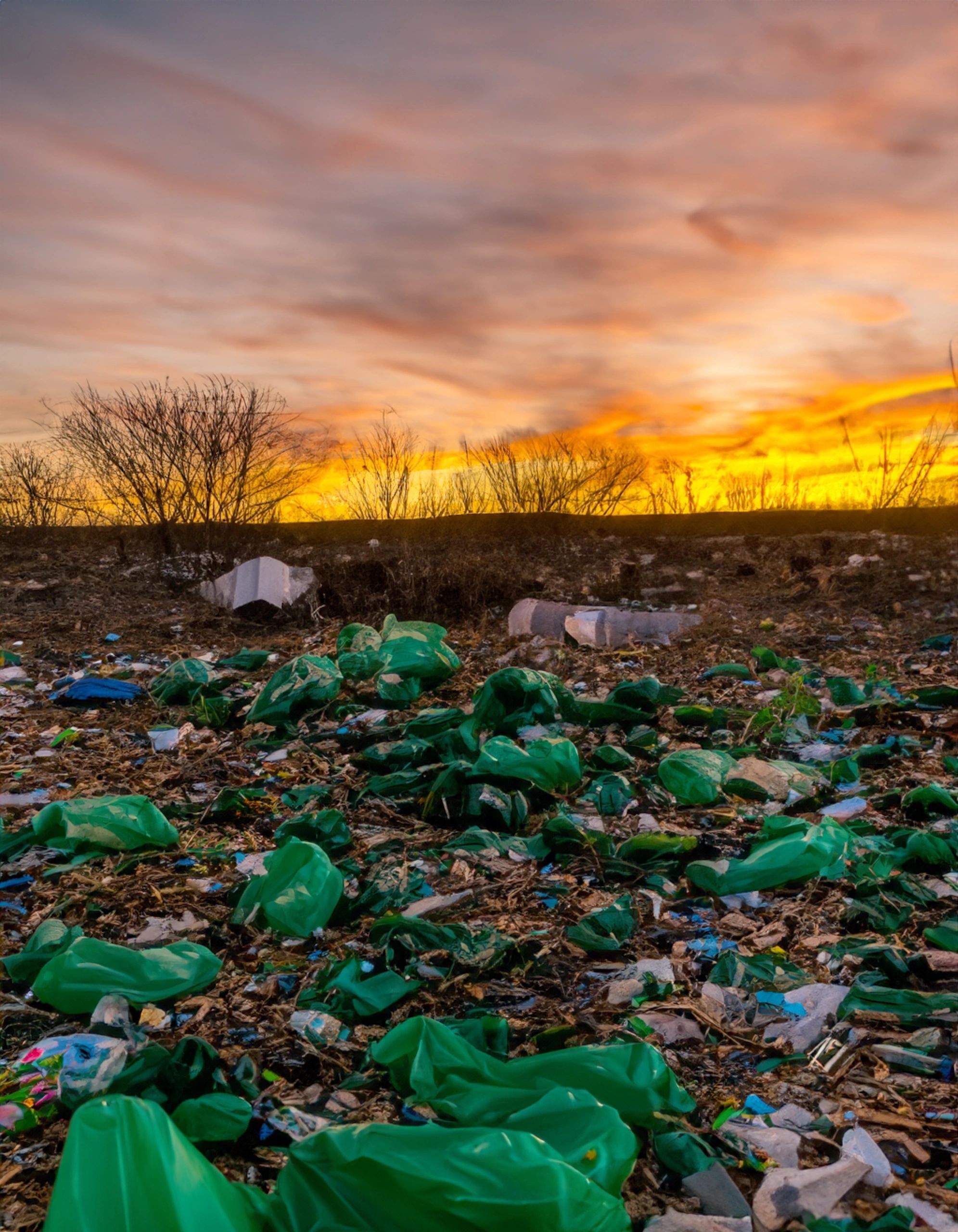
The Scale—and Cost—of the Waste Problem

292.4 Million Tons

+10% Fee Increases & Up

292.4 Million Tons

Garbage trucks dumping waste at a recycling facility.

According to the EPA’s latest national dataset, the municipal solid waste generated annually in the United States highlights the importance of energy transformation and resource recovery initiatives, particularly in the context of waste-to-value projects.

~50% Landfilled

+10% Fee Increases & Up

292.4 Million Tons

Woman monitoring garbage trucks at a recycling facility.

Of U.S. municipal solid waste, approximately 146 million tons are landfilled, according to the EPA's latest national dataset, highlighting the need for energy transformation strategies and innovative resource recovery through waste-to-value projects.

+10% Fee Increases & Up

+10% Fee Increases & Up

+10% Fee Increases & Up

A landfill site with machinery distributing garbage.

According to the Environmental Research & Education Foundation, the increase in average U.S. landfill tipping fees in 2024 highlights the urgent need for energy transformation and resource recovery through innovative waste-to-value projects.

58% Waste Methane

15–25% Residual Ash

+10% Fee Increases & Up

Gas vent pipes on a landfill site.

The EPA estimates that landfilled food waste is responsible for 58% of fugitive methane emissions from MSW landfills, despite the fact that this food waste only constitutes about 24% of the total municipal waste. Addressing this issue through energy transformation and innovative resource recovery methods could enhance the effectiveness of waste-to-value projects.

30+ Year Liability

15–25% Residual Ash

15–25% Residual Ash

Landscape with green grass, vents, and a white truck.

The typical federal post-closure care period for municipal solid-waste landfills involves monitoring and maintenance after disposal operations end, which plays a crucial role in supporting energy transformation and resource recovery efforts in waste-to-value projects.

15–25% Residual Ash

15–25% Residual Ash

15–25% Residual Ash

Industrial ash waste piled in containers near a factory.

After conventional municipal waste combustion, a portion of the original waste weight can remain as ash, which still requires management or disposal. This aspect underscores the importance of energy transformation in waste-to-value projects and effective resource recovery strategies.

Waste-to-Value: Recovering Resources from Waste

Could Waste-to-Value Work for Your Community?

Eureka's Waste-to-Value approach utilizes Gravity Pressure Vessel™ technology to effectively process suitable organic waste streams within a closed-loop system. This innovative method is designed to facilitate energy transformation, enabling the recovery of energy, fuels, materials, water, and other valuable resources while minimizing reliance on final disposal. 


Recognizing that every waste system is unique, the initial step involves understanding your current management practices—your waste volumes, costs, disposal methods, available feedstocks, and infrastructure. 


Eureka provides a complimentary preliminary Waste-to-Value assessment to evaluate whether your municipality, utility, waste authority, or industrial operation could benefit from in-depth analysis of resource recovery opportunities. 


Start your Free Preliminary Assessment today.

  • Partners & Capital
  • Help Shape the Future

Eureka Energy Corporation

30 North Gould Street, Suite R, Sheridan, Wyoming 82801, United States

TEL: +1 (307) 352-2498 | ROGER@EUREKA-ENERGY.COM

Copyright © 2026 Eureka Energy Corporation - All Rights Reserved.

Powered by

Cookie Policy

This website uses cookies. By continuing to use this site, you accept our use of cookies.

DeclineAccept & Close